Nothing Tastes Right Anymore: The Strange Grief of Coming Home After China

Jessica had been back in Ohio for exactly eleven days when she stood in the cereal aisle at Kroger and started crying.
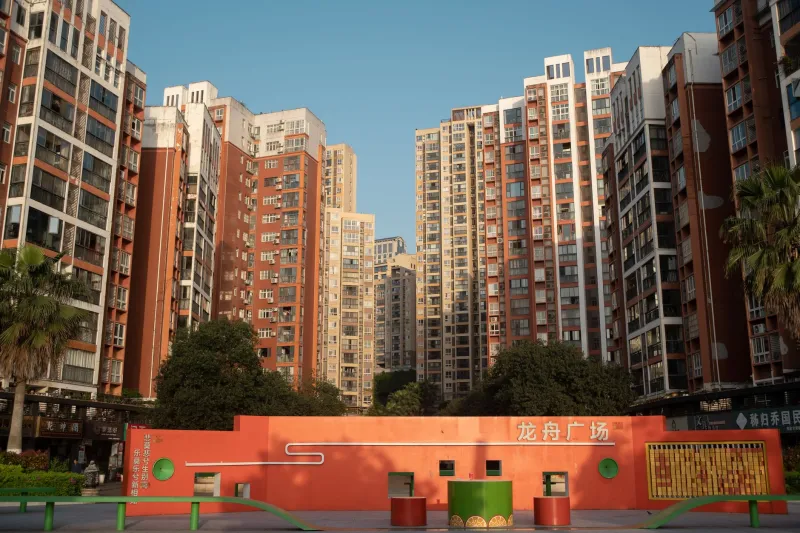
Not because anything was wrong, exactly. More because everything was too much — too many options, too much space, too much silence from the strangers around her who stared at their phones instead of striking up conversation. She'd spent two and a half years in Chengdu, navigating spicy food, chaotic traffic, and a social world where her neighbors knew her name and her business and her lunch order. Now she was home, and she felt like a ghost.
"I kept waiting to feel relieved," she says. "I never did."
This is reverse culture shock, and if you've spent any significant stretch of time living in China, there's a decent chance it's coming for you too.
The Myth of the Easy Return
Most Americans who move to China spend the first few months white-knuckling through culture shock — the unfamiliar food, the language wall, the social rules that nobody wrote down anywhere. That adjustment is expected. People plan for it. What they don't plan for is the version that hits on the return trip.
Reverse culture shock is sneakier. It hides behind the familiarity of your native language and your old neighborhood and the comfort food you spent months craving. Then it ambushes you somewhere around week two, when the novelty of being home wears off and you realize that you changed, even if everything else stayed the same.
The research on this is pretty consistent: the longer you've been abroad, and the more deeply you engaged with the local culture, the harder the re-entry tends to be. China, specifically, has a way of getting under your skin in ways that are difficult to articulate to people who haven't experienced it.
The Food Thing Is Real, and It's Not Just About the Food
Almost every returning expat mentions food first, and not in the way you'd expect. After months of dreaming about Tex-Mex and a decent cheeseburger, many Americans come home to discover that the food they fantasized about no longer satisfies them the way it did in memory.
Part of this is purely sensory. If you've been eating fresh, hand-pulled noodles and wok-tossed vegetables cooked to order for two years, a lot of American food starts to taste flat, heavy, or oddly sweet. The Chinese-American takeout you used to love becomes almost painful — a pale imitation of flavors you now know intimately.
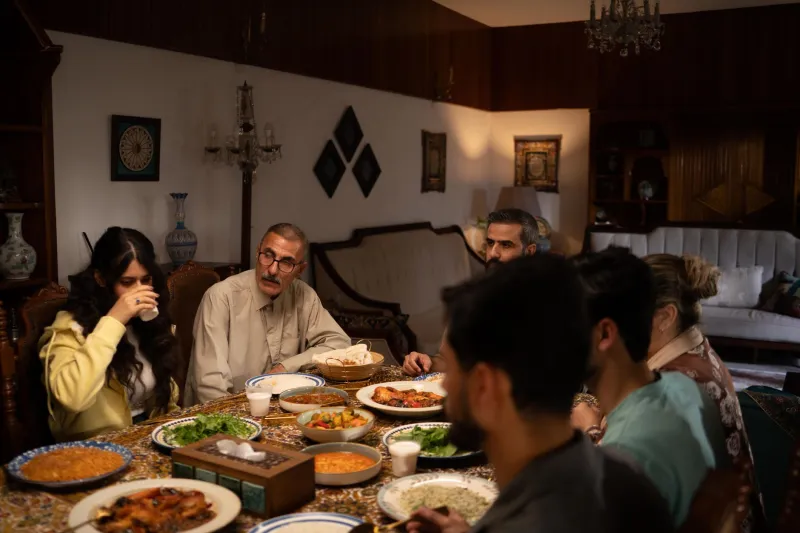
But the food thing is also about something deeper. In China, meals are events. They're long, communal, noisy, and central to social life in a way that most American dining simply isn't. You don't eat at your desk in China. You don't grab a sad desk salad and call it lunch. Returning expats often describe missing not just the flavors but the ritual — the lazy Susans, the shared dishes, the way a two-hour dinner with friends felt like an actual investment in each other.
"I kept trying to explain to my family why I wanted to order twelve things and put them all in the middle of the table," says Marcus, who spent three years teaching English in Kunming. "They thought I was being weird. I was just trying to eat the way that actually feels like eating."
Silence Is Louder Than You Remember
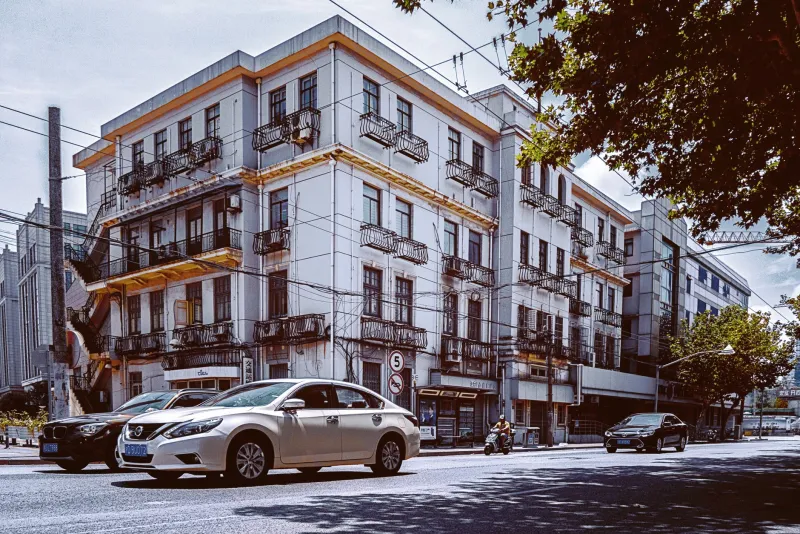
American cities are quieter than Chinese ones — even the loud American cities. There's no comparison to the ambient noise of a busy Chinese street: the vendors, the electric scooters, the karaoke bleeding out of open storefronts at 10 p.m., the general sense that public space is shared and everyone has a right to occupy it fully.
For a lot of returning expats, American public life starts to feel weirdly cold. Strangers don't make eye contact. Nobody asks where you're going or comments on what you're eating. The social fabric feels thinner, more transactional. You miss being stopped by an elderly neighbor who wants to know your whole life story before you've had coffee.
This is one of the trickier adjustments, because it's hard to explain to friends and family without sounding like you're criticizing American culture. You're not, exactly. You're just recalibrated. The settings that used to feel normal now register as reserved, even lonely.
Work Culture Will Test Your Patience
If you were living in a Chinese city that's plugged into the startup economy or the local hustle culture, you experienced a version of work intensity that's genuinely extreme. But you also likely experienced the counterweight: the long lunches, the afternoon rest culture in some regions, the way evenings and weekends are fiercely protected for family and friends.
American work culture, by contrast, can feel simultaneously more frantic and less productive. The meetings that could've been emails, the performative busyness, the way Americans apologize for taking their full lunch break — returning expats often find themselves quietly baffled by all of it. You've seen a different model, and it's hard to unsee it.
Then there's the flip side: some returning expats come back from cities like Shanghai or Beijing wired for a pace that their American colleagues can't match, and they feel frustrated in the other direction. Either way, the re-entry into American professional life tends to involve some friction.
Identity Doesn't Fit the Same Way It Used To
Here's the part that nobody really prepares you for: after enough time in China, your sense of who you are gets genuinely complicated.
You've spent years being the foreigner, the outsider, the person who is visibly different. That experience reshapes you. You've learned to read rooms differently, to communicate across gaps, to hold more than one cultural framework in your head simultaneously. You've probably developed a tolerance for ambiguity that your pre-China self didn't have.
And then you come home, and everyone assumes you're the same person who left. Your family wants the old you back. Your friends want to catch up quickly and move on. Nobody has quite the bandwidth to sit with the full story of who you've become.
"The loneliest I ever felt was back in my hometown," says Priya, who spent four years in Beijing. "In China, I was surrounded by people who were also figuring things out. Back home, everyone had already decided who I was."
What To Do With All of It
The honest answer is that there's no clean fix. Reverse culture shock fades with time, the way regular culture shock does — gradually, unevenly, with occasional relapses.
What helps, according to most people who've been through it: finding community with other returned expats, letting yourself grieve the life you left without feeling guilty about it, and giving yourself permission to hold both places at once. You don't have to choose between loving China and loving home. You've just got a bigger map now.
Also: find a good Sichuan restaurant. It won't be the same. Go anyway.