Skip the Crowds: 5 Mountain Escapes Chinese Locals Have Been Keeping to Themselves
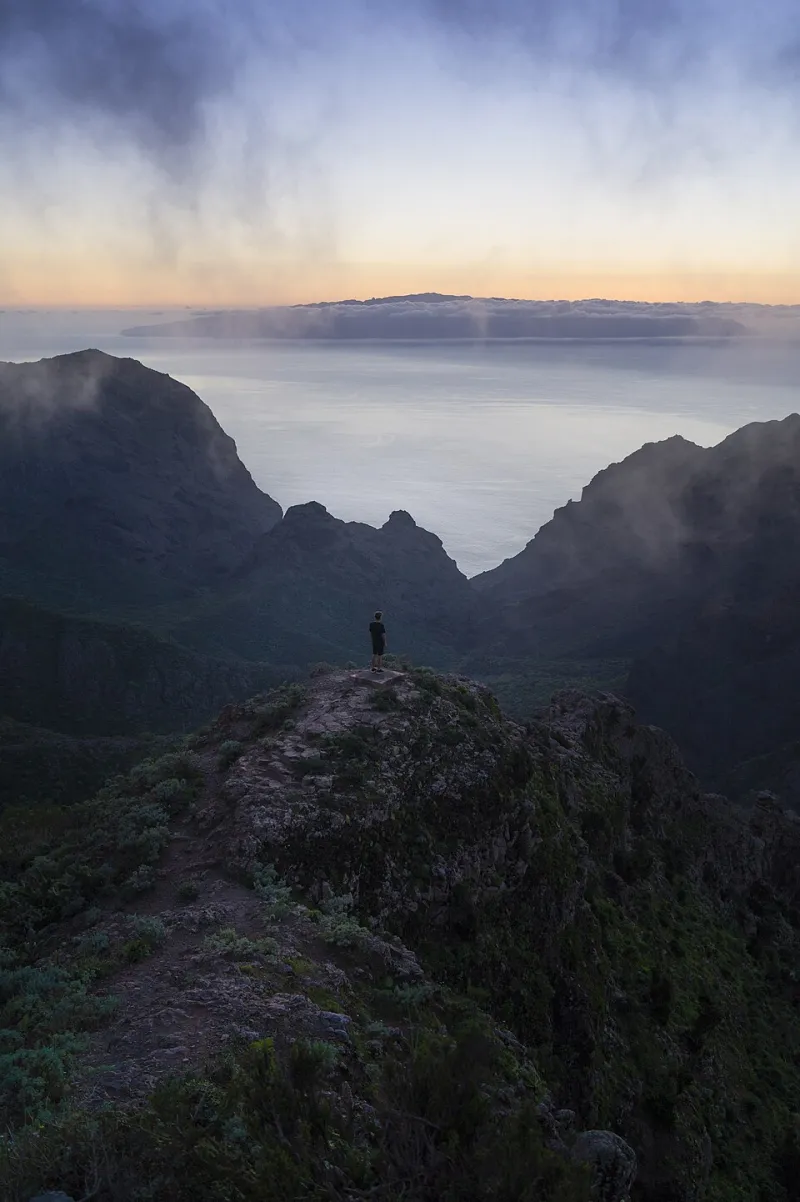
Photo: Štefan Štefančík cikstefan, CC0, via Wikimedia Commons
Every weekend, millions of Chinese city dwellers quietly pack their gear and slip away from the urban grind — not toward the Great Wall or Huangshan's famous sea of clouds, but somewhere far less photographed. These are the mountains locals actually argue about in hiking forums, where guesthouses fill up because neighbors tell neighbors, and where you're more likely to share a trail with a retired schoolteacher from Chengdu than a tour group waving matching flags.
If you're planning a trip to China and want something beyond the highlight reel, here's your insider map to five mountain destinations that Chinese weekend travelers genuinely love — complete with practical tips to help you pull it off.
1. Taibai Mountain (Shaanxi Province) — The High-Altitude Secret of the Qinling Range
Standing at over 12,000 feet, Taibai Shan is the tallest peak in the Qinling Mountains and one of those places that makes seasoned hikers go quiet for a moment when they first see it. Unlike the commercialized peaks further east, Taibai draws a steady crowd of serious trekkers from Xi'an and Chengdu who come for the multi-day ridge traverse and the genuinely wild scenery — think alpine lakes, meadows full of wildflowers in summer, and dramatic weather that shifts by the hour.
The route locals prefer: The north-to-south traverse takes two to three days and crosses through several distinct climate zones. Most hikers start from the Eyutan trailhead on the northern slope and descend via Houziping in the south.
Where to sleep: Small mountain guesthouses (农家乐, nóngjīalè) dot the trail. They're basic — think bunk beds and communal meals — but the owners usually cook hearty noodle dishes that feel like a reward after a long day's climb. Book ahead on weekends between May and October.
Timing tip: Avoid the National Golden Week holiday in early October at all costs. Late May and September are the sweet spots — trails are clear, temperatures are manageable, and the guesthouses actually have room.
2. Haba Snow Mountain (Yunnan Province) — The Approachable Alternative to Jade Dragon
Most travelers who make it to Lijiang, Yunnan, beeline for Jade Dragon Snow Mountain with its cable cars and developed tourist infrastructure. But locals in the know head 60 miles northwest to Haba, a 17,700-foot peak that sits across the famous Tiger Leaping Gorge from its more famous neighbor.
Haba doesn't require technical climbing experience for its standard route, which is part of its appeal among Chinese millennials looking for a genuine high-altitude challenge without the price tag of a guided expedition. The base village of Haba is a beautifully preserved Naxi community where guesthouses are family-run and meals come with conversation.
Practical note for Americans: Altitude sickness is real here. Spend at least two nights in Lijiang (7,800 feet) before heading up. Carry altitude medication if your doctor recommends it, and don't rush the ascent.
Best season: April through June, and again in September and October. Winters bring ice and technical conditions that require crampons and experience.
3. Tianmen Mountain (Hunan Province) — Not the Cable Car Version
Yes, Tianmen Shan near Zhangjiajie has a famous cable car and a glass walkway that shows up constantly on social media. But local hikers know there's another way to experience this mountain — on foot, via trails that peel away from the tourist zones entirely.
The western hiking routes, which most tour operators don't advertise, wind through dense forest and past small Tujia ethnic minority villages where life moves at a pace that feels genuinely unhurried. The famous Heaven's Gate arch is still a destination, but reaching it after a full day's hike rather than a cable car ride changes the experience completely.
Local secret: Ask guesthouse owners in the village of Suoxi about guided half-day walks through the surrounding valleys. These informal guides charge modest fees and will take you to viewpoints that don't appear on any official map.
4. Kongtong Mountain (Gansu Province) — Where Daoism Meets the Silk Road
Gansu doesn't make many Western travel itineraries, which is exactly why Kongtong Shan is worth the detour. Located near the city of Pingliang in the province's eastern reaches, this mountain has been a center of Daoist practice for over two thousand years and retains an atmosphere that's genuinely spiritual rather than performatively so.
Chinese visitors — particularly older travelers and those with an interest in traditional culture — come here for the ancient temples, the dramatic cliff-side architecture, and the sense of being somewhere that history hasn't been polished for consumption. The hiking is moderate rather than extreme, making it accessible to a wider range of fitness levels.
Getting there: Fly into Lanzhou or Xi'an, then take a high-speed train to Pingliang. The mountain is a short taxi ride from the city center.
Don't miss: The morning tai chi sessions practiced by locals near the lower temple complex. Nobody will mind if you watch, and plenty of practitioners are happy to chat.
5. Fanjing Mountain (Guizhou Province) — The Mushroom-Shaped Peak That Earned UNESCO Status
Fanjing Shan in Guizhou went from obscure domestic hiking destination to UNESCO World Heritage Site in 2018, and Chinese hikers have been quietly proud of it ever since. The mountain's signature feature — a sandstone summit split into two peaks connected by a narrow bridge, each topped with a tiny temple — looks almost too dramatic to be real.
The climb is genuinely challenging: over 8,000 stone steps on the main route, with sections that require using fixed chains on near-vertical faces. But the crowds here are still manageable compared to more famous peaks, and the surrounding梵净山 national nature reserve is home to the critically endangered Guizhou snub-nosed monkey.
Honest assessment: This hike is not for the faint of heart or the unprepared. Wear proper footwear, start early to avoid afternoon thunderstorms, and budget a full day for the round trip.
Where to base yourself: The nearby town of Jiangkou has a solid range of guesthouses and small hotels. It's also a great place to try Guizhou's fiery local cuisine — the mala flavor profile here is different from Sichuan, worth exploring on its own terms.
A Few Things to Keep in Mind
These destinations share a few common threads that are worth understanding before you go. Most are best reached by combining high-speed rail with local buses or ride-hailing apps like Didi (China's equivalent of Uber). English signage gets sparse quickly once you leave the main tourist zones, so downloading an offline translation app and having your destination written in Chinese characters will make a real difference.
Trail conditions and guesthouse availability change seasonally, and Chinese hiking culture moves fast — a spot that was quiet two years ago can feel busier now thanks to domestic travel influencers. Checking recent posts on Xiaohongshu (Little Red Book), China's go-to platform for travel recommendations, will give you a more current read on what to expect.
The reward for doing the homework, though, is an experience of China's natural landscape that most Western visitors never access — one that feels earned rather than packaged, and genuinely shared with the people who call this country home.